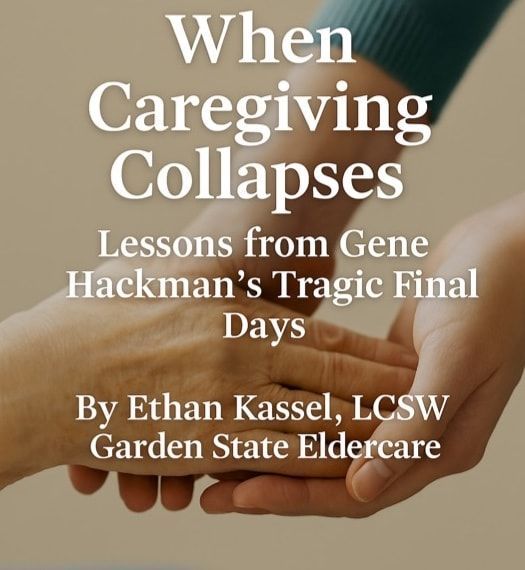
By Ethan Kassel, LCSW – Garden State Eldercare Published: April 5, 2025 The heartbreaking deaths of actor Gene Hackman , 95, and his wife Betsy Arakawa , 65, sent shockwaves through the caregiving and eldercare communities. While best known for his legendary Hollywood career, Hackman spent his final years battling Alzheimer’s disease, under the primary care of Arakawa. On February 26, 2025, both were found deceased in their Santa Fe home. Arakawa had succumbed to hantavirus pulmonary syndrome , a rare and fatal illness linked to rodent exposure. With her sudden death, Hackman—without his caregiver or support system—passed away shortly after from heart disease, with Alzheimer’s as a contributing factor. As a licensed clinical social worker and co-founder of Garden State Eldercare, I was deeply affected by this tragedy. It inspired this, my first blog, to reflect on what could have been done differently from a geriatric care management and home care perspective. 1. Create a Comprehensive Care PlAN Every care situation should have a structured, written plan in place—not just for the client, but also for the caregiver. This includes identifying backup care providers (professional or family), outlining routines, managing medications, and assigning responsibilities. In emergencies, a comprehensive plan ensures no one is left without support. 2. Monitor Health for Both Client and Caregiver Caregivers often put their own health last. But in cases like Arakawa’s, early detection of symptoms might have prompted timely intervention. Routine wellness checks for both the elderly individual and the caregiver can prevent avoidable medical crises. 3. Provide Support and Respite for Caregivers Caregiving is demanding. Without adequate respite, even the most devoted caregivers face burnout or health decline. Families and professionals must prioritize scheduled relief , caregiver training, and access to emotional support resources. As Emma Heming Willis—wife of Bruce Willis—recently said, “Caregivers need care too.” 4. Build a Broader Support Network Care should never fall on one person alone. A well-rounded support network—including family, friends, neighbors, and home care professionals—can provide day-to-day assistance, monitor changes, and intervene when needed. 5. Be Prepared for Emergencies Tragedy often strikes without warning. Every household with a high-need elder should have an emergency action plan: A list of contacts Medical and legal documentation Emergency medical instructions A designated secondary caregiver This level of preparation can make all the difference when unexpected circumstances arise. Final Thoughts This tragedy highlights a harsh truth: when caregiving systems fail, the consequences can be devastating. But it also gives us an opportunity to learn—and to act. At Garden State Eldercare , our mission is to help families create sustainable, safe, and supportive care environments. Whether you’re planning for a loved one’s future or navigating care today, I encourage you to revisit your current plans, ask the tough questions, and ensure no one—caregiver or client—is left vulnerable. Thank you for reading. – Ethan Kassel, LCSW Co-Founder, Garden State Eldercare

Celebrating Older Americans Month: Supporting Independence at Home with Garden State Eldercare By Ethan Kassel, Garden State Eldercare May is Older Americans Month, a time to recognize the countless contributions of our nation’s seniors and to reaffirm our commitment to helping them live with dignity, safety, and independence. At Garden State Eldercare, we believe aging in place should be a choice, not a challenge. As more older adults choose to remain at home, it’s critical to understand the concerns they face—and how we can help. Top Concerns for Seniors Living at Home Safety and Fall Risks Falls are one of the leading causes of injury among seniors. Uneven flooring, poor lighting, and bathroom hazards increase the likelihood of accidents at home. Social Isolation Loneliness can severely impact mental and physical health. Many seniors living alone experience isolation, especially after losing a spouse or when family members live far away. Managing Health Conditions Chronic conditions like diabetes, heart disease, and arthritis require consistent monitoring, medication management, and often help with daily living activities. Cognitive Decline Memory issues, confusion, or early signs of dementia can make it difficult for seniors to manage bills, appointments, and household tasks, putting them at risk. Caregiver Burnout Family members often step into caregiving roles without support, leading to emotional, physical, and financial strain. How Garden State Eldercare Helps Home Safety Assessments and Support We evaluate the home environment and provide recommendations to reduce fall risks, improve lighting, and ensure accessibility. Companionship and Engagement Our caregivers offer meaningful companionship, helping to combat loneliness through conversation, hobbies, and outings. Health and Medication Management Through skilled caregivers and coordinated oversight, we assist with medication reminders, chronic condition monitoring, and wellness checks. Specialized Memory Care We train our staff in dementia care strategies to support clients with Alzheimer’s or cognitive decline, focusing on safety, comfort, and routine. Relief for Family Caregivers Whether through hourly respite care or long-term support, we give family caregivers the chance to rest and recharge, knowing their loved one is in capable hands. A Commitment to Aging with Grace Older Americans Month reminds us to value, support, and protect the aging members of our community. At Garden State Eldercare, we’re proud to be part of that mission every day—helping seniors live safely and comfortably in the place they know best: home.

By Ethan Kassel Introduction As a professional in the eldercare field, I’ve spent years helping families navigate the complexities of aging, caregiving, and our healthcare system. I’ve counseled adult children through emotional decisions, worked with hospitals on discharge plans, and advocated for better communication across the continuum of care. I thought I understood what families go through—until it was my turn. Recently, I traveled from New York to California to be with my parents during a planned surgery. I expected to be helpful, but I quickly realized how difficult it can be to know what to expect after surgery for my mother. Even being in one of the best institutions in the country, the experience was challenging—reminding me that no system is immune to breakdowns in communication or moments of uncertainty. Seeing the System as a Son, Not a provider From the moment I stepped into the hospital, I saw everything with new eyes—not as a provider, but as a son . The clinical language, the constant rotation of professionals, the gaps in communication—all things I used to explain to clients—suddenly became my reality. I found myself frustrated, overwhelmed, and deeply emotional. This wasn’t someone else’s parent. This was mine. The Discharge Process: A Test of Patience and Advocacy When discharge day arrived, I saw firsthand how difficult the transition can be, even when you know what questions to ask. Discharge instructions were rushed. Medications were changed without full explanation. Arranging for post-acute rehab felt like solving a puzzle with half the pieces missing. Even with my experience, I had to fight for clarity. I thought about all the families who don’t know what to ask, who accept what’s given, and who leave the hospital with a sinking feeling that something’s not right. What I Learned This experience changed me. It didn’t teach me something new about the eldercare system— It reminded me that behind every intake form is someone overwhelmed by the challenge of navigating elder care for someone they love, regardless of how competent the provider, families often feel lost. Good communication is everything. And that empathy isn’t a bonus—it’s the core of this work. Closing Thoughts If you’re a fellow professional in elder care, I encourage you to walk a day in the shoes of your clients. Ask more questions. Assume less. Slow down. And if you’re an adult child going through it yourself, know this: it’s okay to be overwhelmed, and you’re not alone. Being both provider and participant gave me a deeper appreciation for the families we serve—and a renewed commitment to making the process a little more human.

When families call us for the first time, they often sound the same… tired, uncertain, and stretched too thin. You can hear the emotion in their voice before they even describe the situation. They’ve been trying to do it all: manage work, children, and an aging parent who insists they’re fine. But behind that insistence is forgetfulness, unsteady steps, and the quiet fear that something could go wrong when no one’s there. That’s where we usually meet them, in the middle of love and exhaustion. A daughter named Lisa once told me she hadn’t had a full night’s sleep in over six months. Her mother, Eleanor, had started leaving the stove on and wandering at night. Lisa lived close by, so she tried to handle it herself often checking in before work, stopping by after dinner, keeping her phone by the bed in case her mom called. She was doing what any good daughter would. But slowly, she was breaking down. When she called us, she said, “I just can’t keep doing this alone.” That first sentence is where most journeys begin. We started by visiting Eleanor at home… listening, not rushing. We asked about her routines, what foods she loved, what music made her smile. Then we paired her with a caregiver named Joan, a retired nurse who shared Eleanor’s love for jazz. Within a week, Joan wasn’t just helping with meals and medication, she was playing records with her after lunch, dancing slowly in the kitchen while dinner simmered on the stove. Three weeks later, Lisa called again. But this time her voice was lighter. “I slept through the night,” she said. “I didn’t realize how much I’d been holding my breath.” That’s the shift home care can bring, from constant anxiety to steady peace. From sleepless nights to knowing someone trustworthy is right there when you can’t be. It’s not just about help with tasks; it’s about restoring the relationship you had before stress took over. Lisa could finally go back to being her mother’s daughter instead of her full-time caregiver. For families, that’s the real benefit, getting your life back while giving your parent more life at home. Home care isn’t only for people in crisis; it’s for anyone who wants to stay ahead of one. The right care team gives you time, energy, and reassurance. Things no one should have to lose while trying to do the right thing. If you’ve been feeling that same quiet worry, the kind that follows you everywhere… maybe this is your moment to breathe again. Let’s talk about what peace could look like for your family. Call 973-378-9100 or visit www.gsecare.com. One simple conversation can start the shift from worry to relief, and help your loved one feel at home, right where they belong.
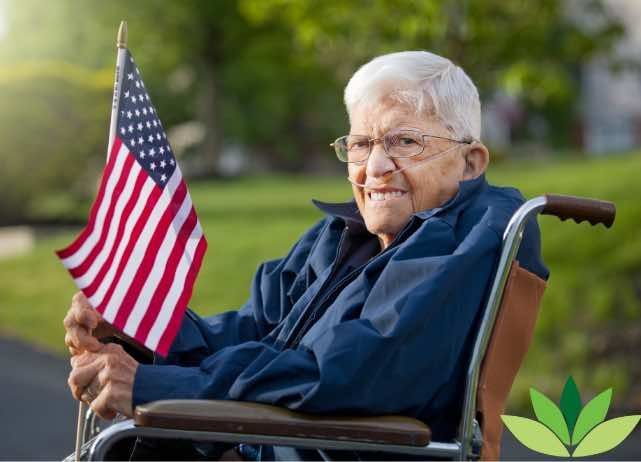
Clearing Up Common Misunderstandings When it comes to aging and care needs, many veterans and their families wait longer than they should to explore support options. One of the biggest reasons? A widespread belief that veterans’ benefits only apply after a major health crisis. That misunderstanding can lead to unnecessary stress, rushed decisions, and delayed care—exactly the opposite of what our veterans deserve. At Garden Eldercare , we often speak with families who are surprised to learn how flexible and proactive veteran-related eldercare support can be when they understand their options early. Myth: Care Is Only Available After a Crisis A common assumption is that VA-related services only begin after hospitalization, serious injury, or a sudden decline. In reality, VA-authorized home care may be available before a crisis occurs . Early support can help veterans remain safe and independent at home longer—often preventing emergencies rather than reacting to them. What Support Can Look Like Veteran-authorized eldercare is not limited to medical needs alone. Depending on eligibility, support can include: Personal care such as bathing, dressing, and mobility assistance Safety supervision to reduce fall risks and support memory-related needs Help with daily routines, meals, and light household tasks These services are designed to improve quality of life and reduce the physical and emotional burden on family caregivers. Why Early Conversations Matter Waiting until care is urgently needed can slow everything down. Early eligibility conversations help prevent delays later , allowing families to plan thoughtfully instead of scrambling during a stressful moment. Understanding benefits ahead of time means care can start when it’s truly helpful—not just when it becomes unavoidable. Veterans have already done the hard part through their service. Taking time now to understand eldercare benefits is one way families can honor that service with preparedness and peace of mind. Take the first step before a crisis happens. Schedule a conversation with GardenState Eldercare to explore VA-authorized home care and personalized eldercare solutions.

Most older adults want to age in place —remaining in the comfort of their own home as they grow older. Recent national research shows that staying at home is the preferred choice for the vast majority of seniors, highlighting the growing importance of in-home senior care services . Most Seniors Want to Age in Place A recent survey found that 93% of adults age 65 and older currently live in their own home or apartment . Among seniors who live independently and do not currently receive care, about 60% say they would prefer to stay in their home and receive care there if they needed help in the future . Only a small percentage said they would prefer alternatives such as assisted living, moving in with family, or entering a nursing home. These findings reinforce a clear trend: older adults overwhelmingly prefer aging in place when possible. Why Aging in Place Is Important Aging in place allows seniors to maintain independence while staying connected to their community and familiar surroundings. Many older adults feel more comfortable and confident at home, where they can keep their daily routines and remain close to friends and family. Common benefits of aging in place include: Greater independence and control Familiar and comfortable surroundings Stronger community and family connections Reduced stress compared to relocating With the right support, aging at home can also be a safe and practical long-term option. How In-Home Senior Care Helps Professional in-home senior care can make aging in place possible by providing support with everyday activities such as: Personal care and hygiene Meal preparation Medication reminders Transportation and errands Companionship These services help seniors remain independent while giving families peace of mind that their loved ones are safe and supported. Aging in Place with Garden Eldercare At Garden Eldercare , we are dedicated to helping seniors age safely at home with compassionate in-home care . Our caregivers provide personalized support that allows older adults to maintain independence while receiving the assistance they need. If your family is exploring home care services for seniors, our team is here to help you create a care plan that supports comfort, dignity, and quality of life.

PART 1: How to Start the Conversation (Without Causing Conflict) Starting the conversation about care is often the hardest step. Many families avoid it—until something forces the issue. If you’re feeling unsure how to begin, that’s completely normal. Why This Is So Difficult Parents may fear: Losing independence Becoming a burden Losing control of decisions A Better Way to Start Instead of: “You need help.” Try: “I just want to make sure you’re okay—how have things been feeling at home lately?” The goal is not to tell—it’s to open the door . Quick Tips Pick a calm, private moment Keep your tone supportive, not urgent Focus on listening, not solving everything Gentle Next Step You don’t have to navigate this alone. A quick conversation with Garden State Elder Care can help you approach this with clarity and confidence. What to Say (and What to Avoid)

Watching a parent or loved one begin to struggle with memory loss, confusion, or changes in their daily routine can be incredibly emotional. Maybe they’ve started forgetting appointments. Maybe unopened mail is piling up. Maybe they repeat the same questions or seem more withdrawn than usual. For many families, these moments can feel overwhelming — especially when a loved one is living alone. The good news is that early support can make a meaningful difference. At Garden State Eldercare, we help families throughout New Jersey navigate the challenges of Alzheimer’s and dementia care with compassionate, personalized in-home support designed to help seniors remain safe, comfortable, and connected in familiar surroundings. Common Signs Your Loved One May Need Support Memory changes can happen gradually, making it difficult for families to know when it’s time to seek help. Some signs to watch for include: Forgetting medications or appointments Difficulty managing bills or paperwork Increased confusion with daily routines Changes in mood or personality Isolation or withdrawal from family and friends Wandering or safety concerns at home Difficulty preparing meals or maintaining the home While occasional forgetfulness can be a normal part of aging, consistent changes in behavior or daily functioning may signal that additional support is needed. Why Early Intervention Matters When it comes to Alzheimer’s and dementia care, early support can help improve quality of life for both seniors and their families. Having compassionate caregivers involved early can help: Establish safe daily routines Reduce stress and anxiety Encourage social interaction and engagement Help prevent accidents or missed medications Provide families with peace of mind Allow seniors to remain in the comfort of home longer For many seniors, remaining in a familiar environment can be incredibly beneficial. Familiar surroundings, routines, and faces can help reduce confusion and create a stronger sense of comfort and stability. Compassionate In-Home Dementia Care At Garden State Eldercare, we understand that every family’s journey is unique. That’s why our Alzheimer’s and dementia care services are designed around the specific needs of each client and family. Our compassionate caregivers provide support with: Daily living activities Medication reminders Meal preparation Companionship and emotional support Safety supervision Mobility assistance Cognitive engagement activities Most importantly, we focus on preserving dignity, independence, and quality of life while supporting families every step of the way. You Don’t Have To Navigate This Alone Caring for a loved one with Alzheimer’s or dementia can be emotionally and physically exhausting. Many family caregivers feel pressure to do everything themselves — but seeking help is not giving up. It’s creating a support system that benefits everyone involved. At Garden State Eldercare, we’re here to help families find compassionate solutions that provide comfort, reassurance, and peace of mind. Schedule a Free Consultation If you’re worried about a parent living alone or noticing signs of memory loss and confusion, now is the time to start the conversation. Our team is here to answer your questions and help create a personalized care plan tailored to your loved one’s needs.


View more